
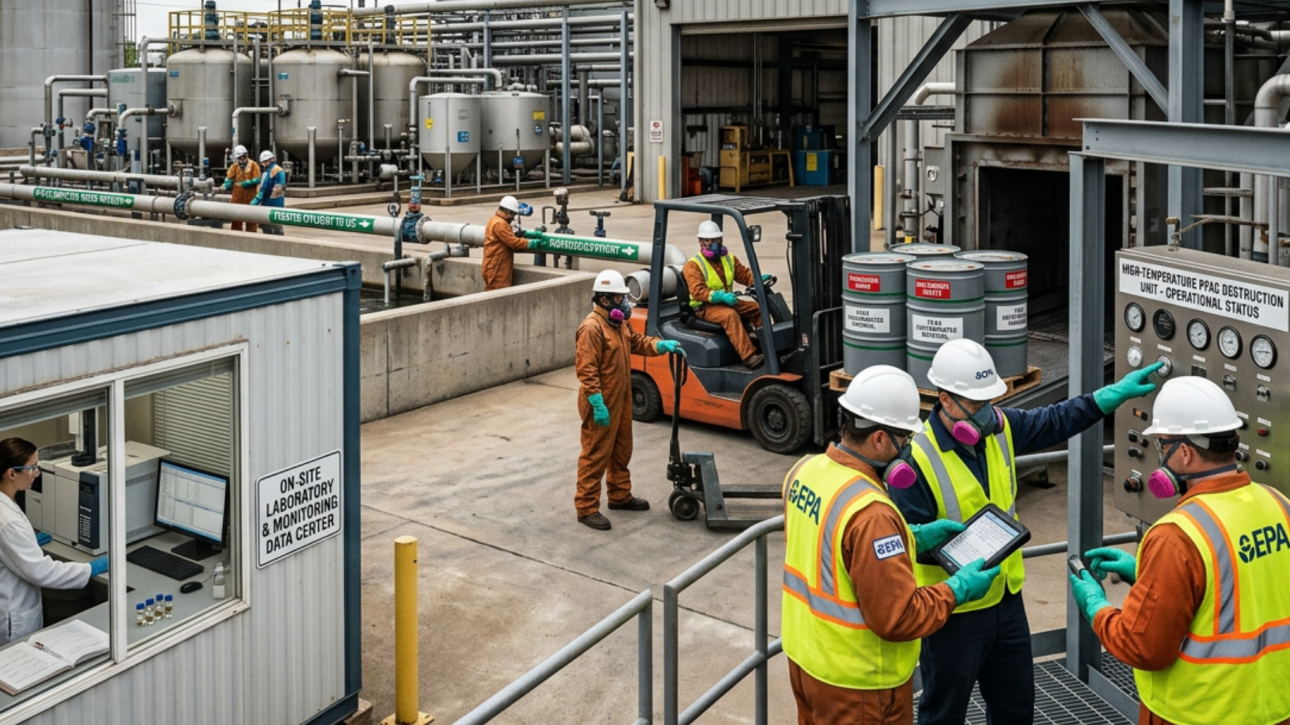
In 2026, the U.S. Environmental Protection Agency (EPA) released updated interim guidance on the destruction and disposal of PFAS (per- and polyfluoroalkyl substances), commonly known as “forever chemicals.”
The updated framework is designed to help states, utilities, and waste management operators adopt safer, science-based methods for handling PFAS waste and reducing environmental exposure risks.
Stronger Science-Based Approach to PFAS Management
PFAS are long-lasting chemicals widely used in industrial and consumer applications. Due to their persistence in the environment, they require…
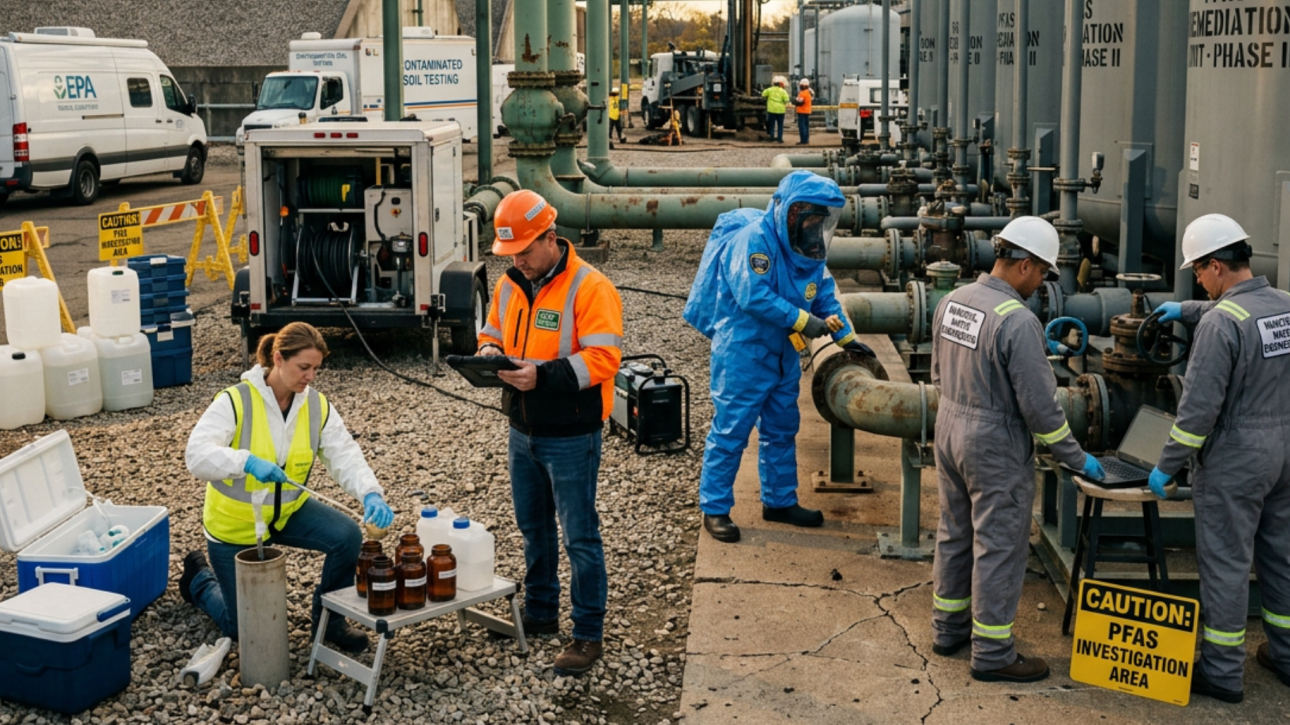
In 2026, governments are significantly accelerating efforts to address PFAS (per- and polyfluoroalkyl substances), commonly known as “forever chemicals,” due to their persistent presence in the environment and growing concerns over long-term health and ecological risks.
A number of countries are now developing structured national action plans aimed at reducing PFAS contamination across water systems, food chains, and industrial waste streams.
Rising Global Concern Over PFAS Contamination
PFAS are widely used in industrial applications due to their resistance to water,…
Breakthrough PFAS Water Filter Technology Achieves 98% Removal Efficiency in Global Remediation Push
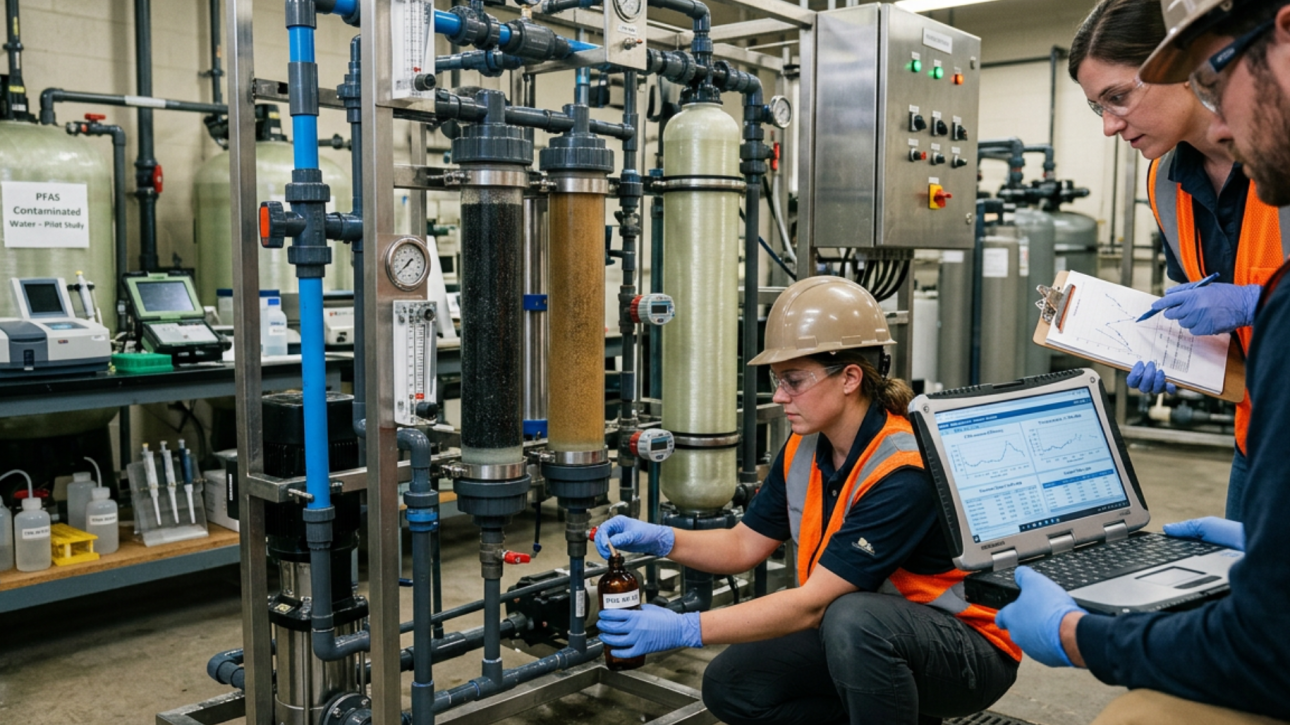
Breakthrough PFAS Water Filter Technology Achieves 98% Removal Efficiency, Advancing Global Remediation Efforts
A significant advancement in water treatment technology is emerging from Flinders University, where researchers have developed a next-generation filtration system capable of removing up to 98% of toxic PFAS contaminants from water.
For industry leaders in environmental technology, utilities, and infrastructure, this development represents a potential step-change in addressing one of the most persistent and complex contamination challenges worldwide.
PFAS Contamination Becomes a Strategic Global Risk
Per-…
In 2026, the U.S. Environmental Protection Agency (EPA) released updated interim guidance on the destruction and disposal of PFAS (per- and polyfluoroalkyl substances), commonly known as “forever chemicals.”
The updated framework is designed to help states, utilities, and waste management operators adopt safer, science-based methods for handling PFAS waste and reducing environmental exposure risks.
Stronger Science-Based Approach to PFAS Management
PFAS are long-lasting chemicals widely used in industrial and consumer applications. Due to their persistence in the environment, they require…
In 2026, governments are significantly accelerating efforts to address PFAS (per- and polyfluoroalkyl substances), commonly known as “forever chemicals,” due to their persistent presence in the environment and growing concerns over long-term health and ecological risks.
A number of countries are now developing structured national action plans aimed at reducing PFAS contamination across water systems, food chains, and industrial waste streams.
Rising Global Concern Over PFAS Contamination
PFAS are widely used in industrial applications due to their resistance to water,…
Breakthrough PFAS Water Filter Technology Achieves 98% Removal Efficiency in Global Remediation Push
Breakthrough PFAS Water Filter Technology Achieves 98% Removal Efficiency, Advancing Global Remediation Efforts
A significant advancement in water treatment technology is emerging from Flinders University, where researchers have developed a next-generation filtration system capable of removing up to 98% of toxic PFAS contaminants from water.
For industry leaders in environmental technology, utilities, and infrastructure, this development represents a potential step-change in addressing one of the most persistent and complex contamination challenges worldwide.
PFAS Contamination Becomes a Strategic Global Risk
Per-…