In January 2026, the European Commission released a report that fundamentally reframes the global conversation on environmental risk. By estimating that remediation of PFAS-commonly known as “forever chemicals”-could cost up to €1.5 trillion, Europe has transformed PFAS pollution from a regulatory issue into a systemic economic threat.
For C-level leaders across manufacturing, chemicals, infrastructure, energy,…

Electron Beam Technology Signals a Breakthrough Moment in the Global Fight Against PFAS Pollution
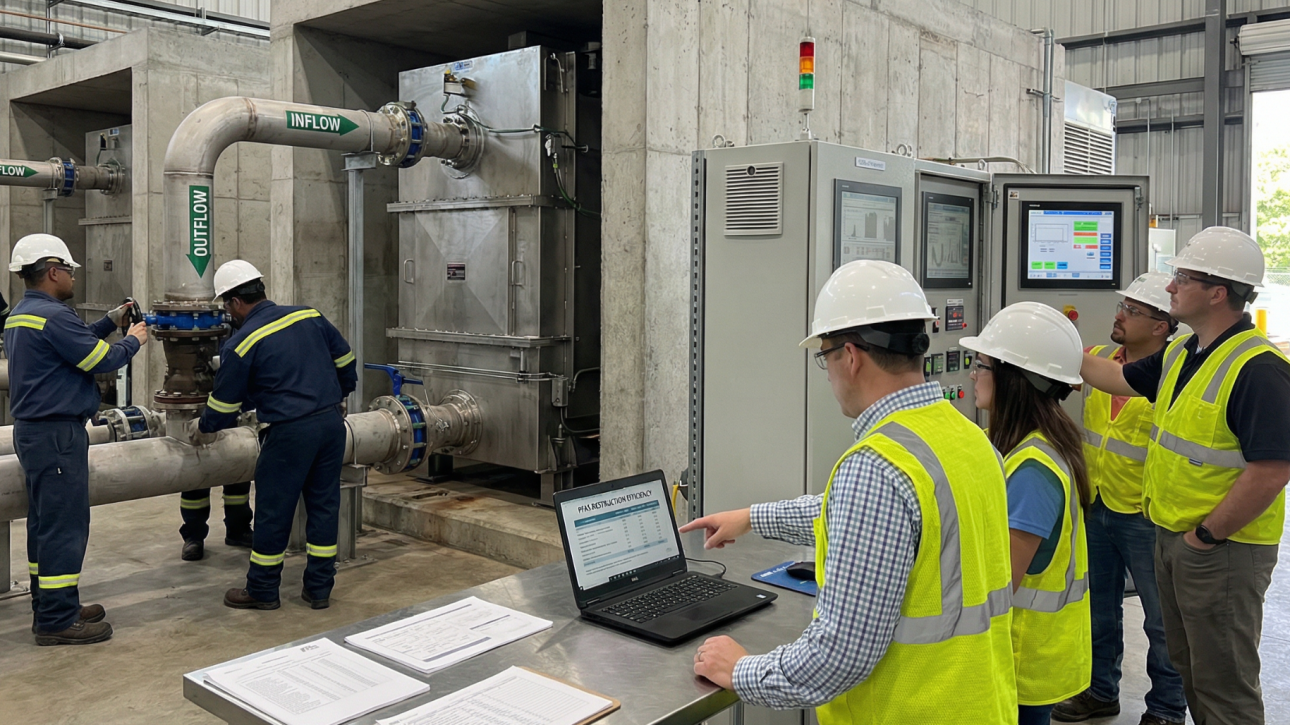
In January 2026, a powerful new signal emerged in the global effort to eliminate PFAS-commonly known as “forever chemicals.” Researchers at Germany’s Helmholtz-Zentrum Berlin (HZB) demonstrated that electron beam technology for PFAS cleanup can move beyond containment and toward permanent chemical…
Executive Brief
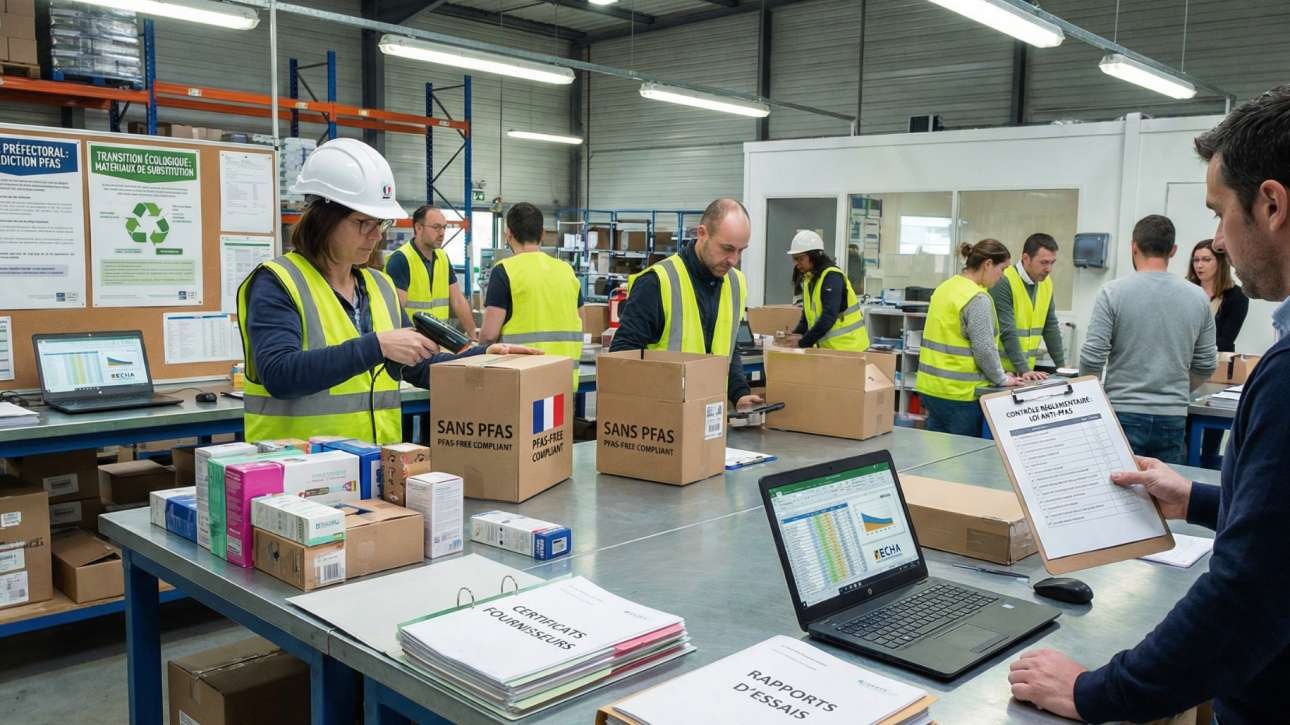
France has become one of the first major European economies to formally prohibit the use of so-called “forever chemicals” in consumer products. As of today, the country’s ban on per- and polyfluoroalkyl substances (PFAS) is legally in force, marking a decisive shift in how governments balance industrial utility against long-term public health and…
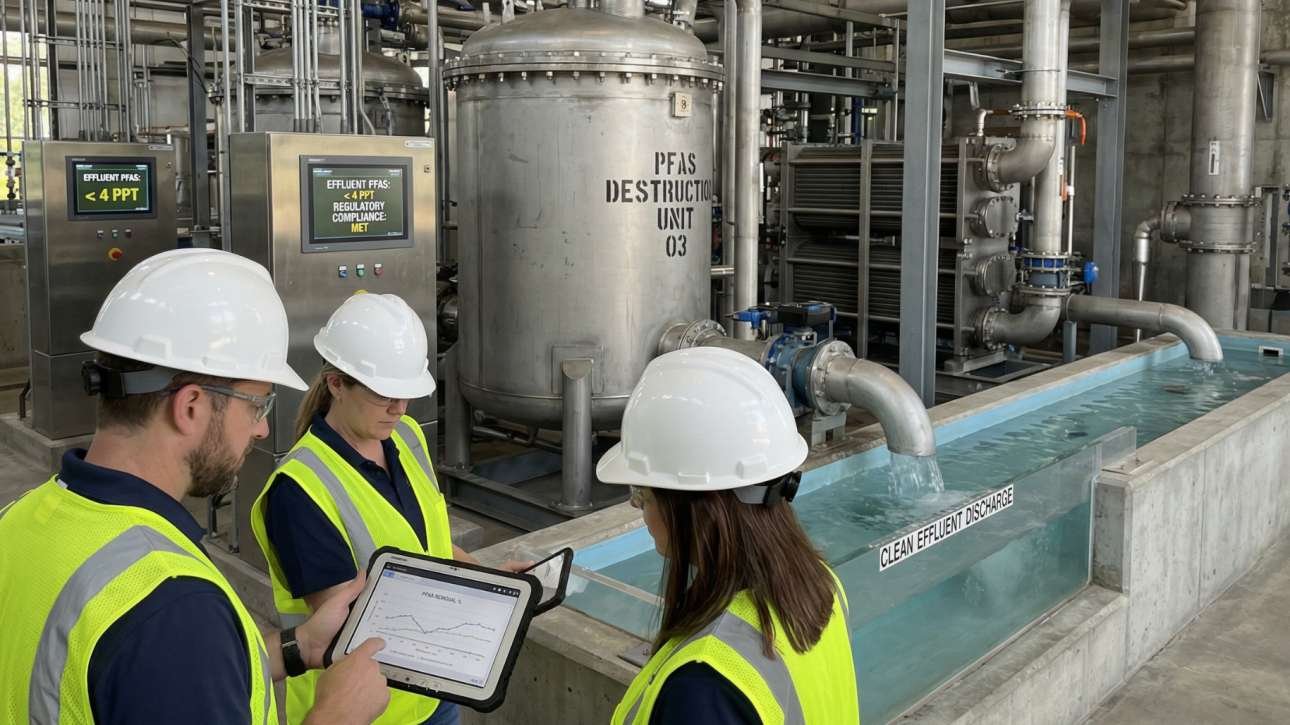
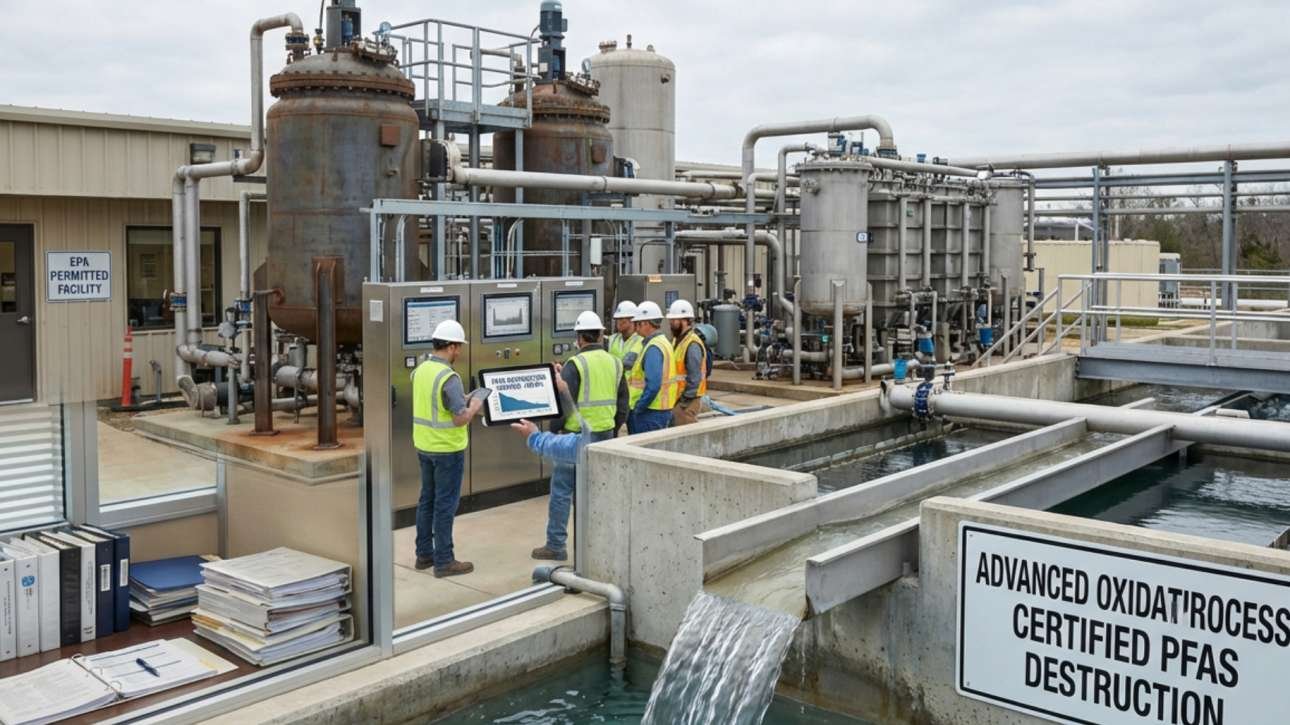
As regulatory pressure on per- and polyfluoroalkyl substances (PFAS) intensifies worldwide, industrial leaders are confronting a hard truth: traditional PFAS treatment methods are no longer sufficient. In 2026, the market is moving decisively away from “capture and contain” strategies toward verified, commercial-scale PFAS destruction.
For executives responsible for environmental compliance, operational risk, and long-term capital…
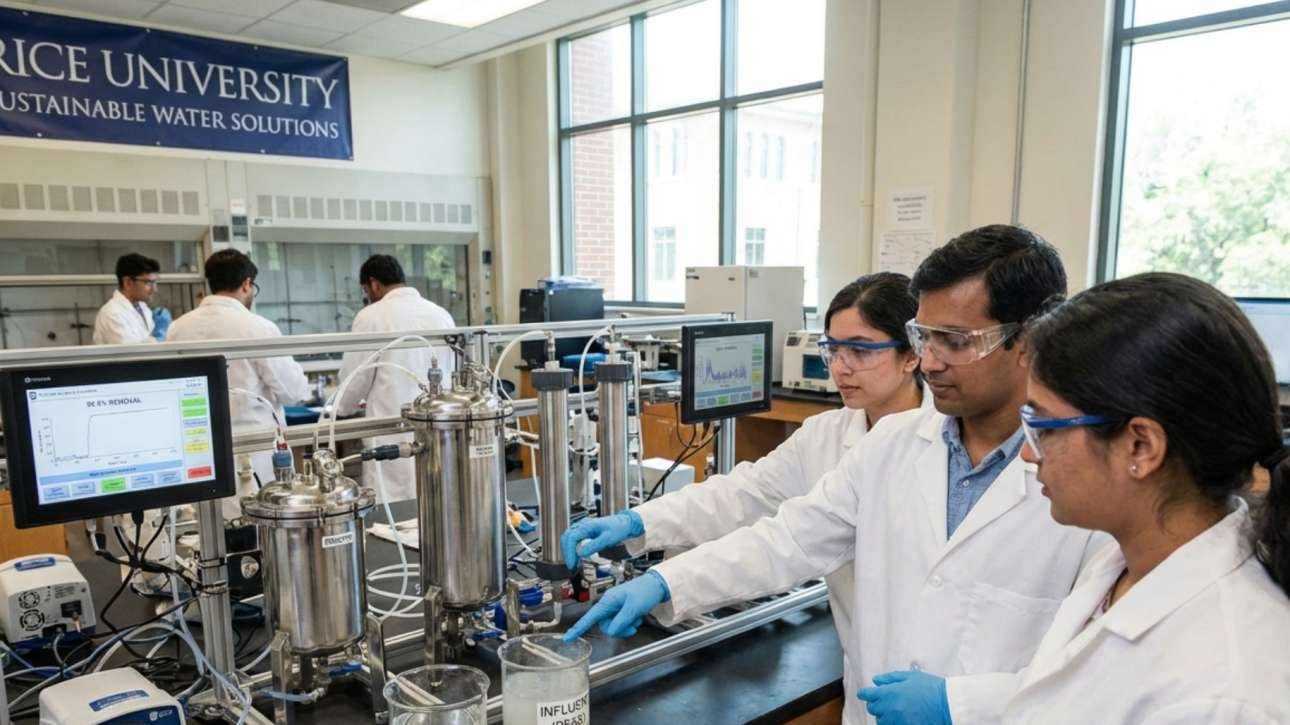
A research team led by Rice University, in collaboration with international partners, has developed the first environmentally sustainable technology capable of rapidly capturing and breaking down PFAS in water. The findings, recently published in Advanced Materials, mark a significant advance against one of the most persistent environmental threats facing governments, utilities, and industry.
The work…
The global effort to address the persistent challenge of per- and polyfluoroalkyl substances (PFAS) has reached a pivotal moment. Breakthrough technology has now demonstrated the ability to achieve near-total destruction of PFAS at an industrial scale, fundamentally transforming the approach to environmental remediation and setting a new benchmark for sustainability across industries.
PFAS, often called…
New York Expands PFAS Response With Updated Guidance, Data, and Regulatory Frameworks
New York State has announced a comprehensive set of actions to strengthen its response to per- and polyfluoroalkyl substances (PFAS), reflecting more than a decade of regulatory development and scientific investigation into these persistent chemicals.
The Department of Environmental Conservation has released a…
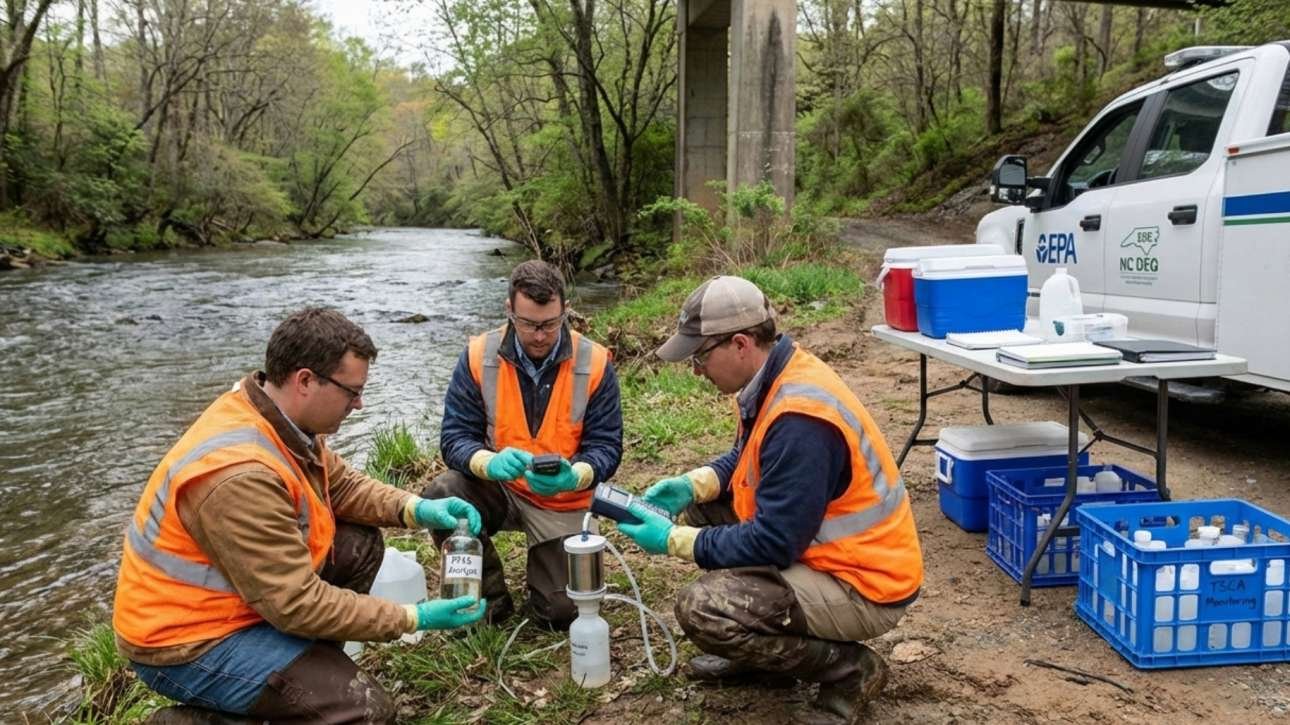
Proposed EPA PFAS Reporting Changes Raise Questions as New Contamination Data Emerges in North Carolina
The U.S. Environmental Protection Agency is considering changes to how businesses report per- and polyfluoroalkyl substances (PFAS) under the Toxic Substances Control Act, a move that comes as new research suggests regulators may be missing significant sources of PFAS contamination.…
The Turning Point for Corporate Responsibility
PFAS, or per- and polyfluoroalkyl substances, are no longer just an environmental concern. They are a defining ESG and financial risk for global businesses. With over 15,000 synthetic compounds used across manufacturing, consumer goods, and industrial supply chains, PFAS contamination has become a global liability.
Governments, investors, and consumers…
Decoding the PFAS Remediation Imperative
PFAS, or per- and polyfluoroalkyl substances, present one of the most serious contamination challenges of the 21st century. These “forever chemicals” resist degradation, accumulate in soils, water, and organisms, and create growing regulatory, reputational, and financial risks for companies across sectors. As remediation demand accelerates, the key question for executives…