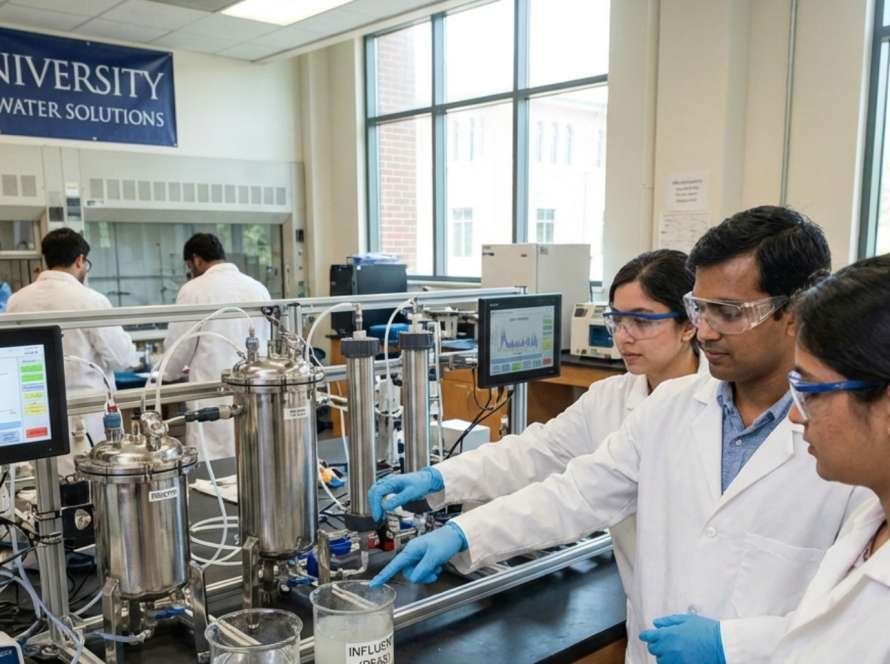
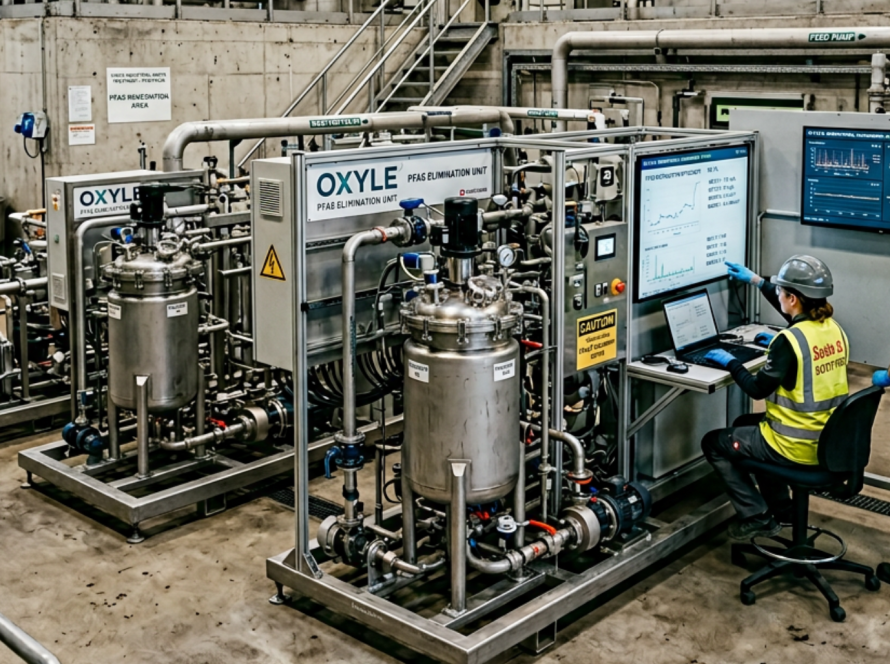
In 2026, the U.S. Environmental Protection Agency (EPA) released updated interim guidance on the destruction and disposal of PFAS (per- and polyfluoroalkyl substances), commonly known as “forever chemicals.”
The updated framework is designed to help states, utilities, and waste management operators adopt safer, science-based methods for handling PFAS waste and reducing environmental exposure risks.
Stronger Science-Based Approach to PFAS Management
PFAS are long-lasting chemicals widely used in industrial and consumer applications. Due to their persistence in the environment, they require controlled destruction or secure disposal methods.
The updated EPA guidance emphasizes approaches that minimize environmental release and align with the latest scientific evidence.
Recommended PFAS Disposal Methods
The revised guidance highlights three primary methods considered most effective under current scientific evaluation:
- Underground injection wells for long-term containment
- Regulated hazardous waste landfills under federal standards
- High-temperature hazardous waste combustion systems designed to destroy PFAS under controlled conditions
These methods are selected based on their ability to reduce environmental leakage and manage PFAS safely at scale.
Focus on Innovation and Emerging Technologies
Alongside existing disposal methods, the EPA is encouraging development of new PFAS destruction technologies.
A structured evaluation framework has been introduced to assess:
- Safety performance
- Environmental impact
- Scalability and efficiency
- Scientific validation
This approach is intended to accelerate innovation while maintaining strict environmental safeguards.
Collaboration Across Public and Private Sectors
PFAS management is increasingly being addressed through collaboration between:
- Federal and state agencies
- Academic research institutions
- Technology developers
- Waste management operators
The goal is to improve transparency, accelerate research, and ensure practical implementation of safer disposal methods.
Regulatory Direction and Public Input
The updated guidance will remain open for public review and feedback, supporting continuous improvement based on stakeholder input and emerging scientific data.
This reflects a broader regulatory trend toward adaptive environmental governance focused on real-time science and risk assessment.
Conclusion
The EPA’s 2026 update to PFAS destruction guidance marks a significant step toward more structured and science-driven chemical waste management. By combining regulated disposal methods with innovation-focused frameworks, the agency is strengthening long-term environmental protection strategies.
For industries handling PFAS-related materials, compliance expectations are becoming more defined, with a clear emphasis on safety, transparency, and technological advancement.