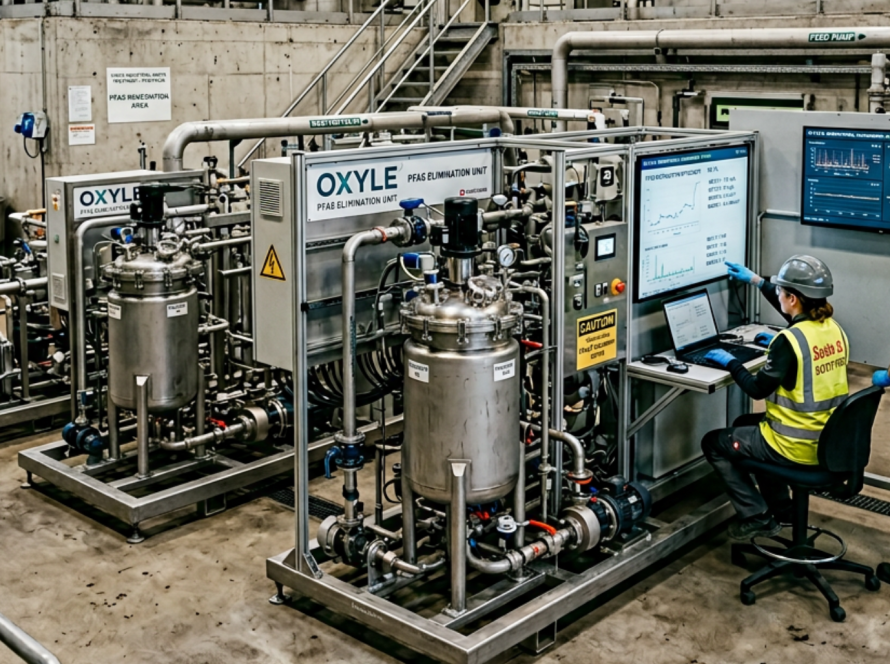
In 2026, governments are significantly accelerating efforts to address PFAS (per- and polyfluoroalkyl substances), commonly known as “forever chemicals,” due to their persistent presence in the environment and growing concerns over long-term health and ecological risks.
A number of countries are now developing structured national action plans aimed at reducing PFAS contamination across water systems, food chains, and industrial waste streams.
Rising Global Concern Over PFAS Contamination
PFAS are widely used in industrial applications due to their resistance to water, heat, and grease. However, their extremely slow breakdown rate has led to widespread environmental accumulation.
Today, PFAS are found in:
- Drinking water systems
- Soil and agricultural land
- Food supply chains
- Industrial waste streams
- Consumer products
This has elevated PFAS into a major global environmental and public health concern.
National Action Plans Gain Momentum
Governments are now shifting from monitoring to structured intervention through national action plans.
These strategies typically focus on:
- Reducing PFAS emissions at the source
- Controlling contamination in water systems
- Managing polluted industrial sites
- Promoting safer chemical alternatives
- Strengthening environmental monitoring frameworks
Several countries are already implementing coordinated approaches combining regulation, research, and remediation.
Cross-Sector Coordination Becomes Critical
Addressing PFAS contamination requires collaboration across multiple sectors, including:
- Water treatment and purification
- Waste management and recycling
- Agriculture and food production
- Aviation and industrial manufacturing
- Environmental protection agencies
A key challenge remains aligning national policies with broader regional frameworks to ensure consistent enforcement and long-term impact.
Research, Substitution, and Cleanup Efforts
A major focus of current PFAS strategies is accelerating research into safer alternatives and improving remediation technologies.
Key priorities include:
- Developing PFAS-free industrial substitutes
- Enhancing groundwater and soil cleanup methods
- Improving chemical tracking and monitoring systems
- Advancing destruction and containment technologies
These efforts are critical to reducing long-term environmental exposure.
Funding and Policy Support Increasing
Governments are allocating increased financial resources to support PFAS mitigation programs.
Funding is being directed toward:
- Environmental decontamination projects
- Scientific research and innovation
- Monitoring and regulatory enforcement
- Long-term restoration of polluted sites
This reflects a growing recognition that PFAS contamination requires sustained, multi-year intervention.
Conclusion
PFAS regulation in 2026 marks a shift from awareness to structured national action. Governments are now prioritizing coordinated strategies to reduce contamination, strengthen environmental protection, and accelerate the transition toward safer chemical alternatives.
For policymakers and industries, PFAS management is becoming a long-term environmental and regulatory priority rather than a short-term compliance issue.